Sleep and PTSD
If you’re struggling to get a good night’s sleep, you’re not alone. Many Veterans with PTSD experience sleep problems like insomnia and nightmares. Find out how evidence-based treatments for PTSD and sleep problems can help.
How are sleep and PTSD connected?
Both insomnia and nightmares are symptoms of PTSD. Veterans with insomnia can have trouble falling or staying asleep. They may also wake up multiple times a night with difficulty falling back asleep. The traumatic event can be replayed in nightmares and remembered in vivid detail the next day. Veterans may be upset by these memories and fearful or avoidant of sleep because they worry about having another nightmare.
Veterans with PTSD often feel like they need to be alert or on guard and can't turn this feeling off at bedtime. Sleep can feel vulnerable and unsafe. For example, for Veterans who have experienced military sexual trauma, lying in bed may be associated with traumatic memories —making it hard to relax enough to fall asleep.
If somebody with PTSD has a bad night’s sleep, their other PTSD symptoms can be worse the next day. This can make it harder to sleep the next night. The cycle can be exhausting.
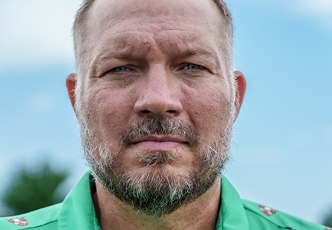
PTSD made it much harder for me to go to sleep because my nervous system wouldn’t shut down. I couldn’t feel relaxed.
Nick Ramirez (US Army Reserves, 2006 – 2012) talks about how PTSD made it difficult for him to sleep.
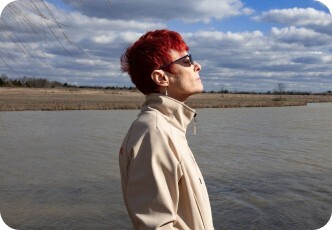
Sleep has just never been my friend and especially the past 10 years or so. And I got to the point where I just wasn’t willing to continue that way.
Jenni Stevenson (US Army Reserves 2003 – 2013, US Army 2014 - present) talks about what finally pushed her to treat her insomnia.
How do sleep problems affect Veterans’ lives?
When you’re not sleeping well, it can impact many areas of your life. For example, ongoing trouble sleeping can make it hard to stay alert during the day, which can make it difficult to focus on work or school. A Veteran with PTSD can get startled and frustrated more easily. They may think about the trauma more. Problems sleeping can make it hard to stay connected to loved ones and lead to conflict in relationships.
Sometimes, Veterans try to cope with sleep problems in ways that aren’t helpful in the long run. For example, they may cancel social plans because they feel too tired to go out, and this can result in feeling more isolated.
Some Veterans use alcohol, marijuana, or other drugs to fall asleep. Over time, drug and alcohol use can also have negative effects on sleep quality and on overall health.
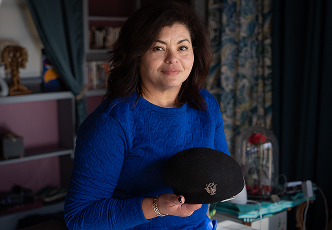
Because of the exhaustion from the sleep deprivation and the difficulties concentrating and remembering, I was not able to pass the test. So subsequently, I was passed over for promotion.
Paula Smith Benson (US Air Force, 1989-2009) talks about how sleep deprivation affected her ability to work.
There was a drink to sleep and then there was waking up to drink. My sleep quality was terrible…Showing up to work, still hungover, then trying to nap during the day and trying to not be hungover.
Nick Ramirez (US Army Reserves, 2006 – 2012) talks about how drinking negatively affected his sleep.
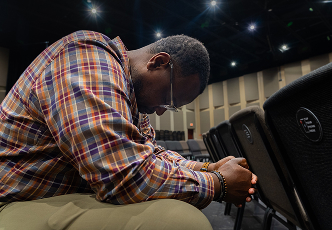
I was to the point where I couldn’t function during the day anymore, and it was having an effect on my relationships with my family and friends.
Ray Best (US Navy, 1985-1994) describes how he knew it was time to seek help.
Treating PTSD–related sleep problems
Trauma-focused treatment for PTSD can help you sleep better and have fewer nightmares. When going to bed, many people with PTSD find themselves thinking about their trauma. PTSD treatment can decrease trauma memories and make them less intense, making it easier to fall asleep. Treatment can also help you feel less on guard and less anxious, which can help with falling and staying asleep.
If you’ve already completed PTSD treatment but still have trouble sleeping, a sleep-focused treatment can help with those remaining symptoms. And if sleep problems are making it hard to focus or get through the day, addressing sleep first may be a good place to start.
You can choose to start with PTSD treatment, sleep disorder treatment, or a combination of both. Your mental health provider can help you choose the approach that’s right for you.
What we found research-wise is that about half the time, treating PTSD will result in an improvement in sleep. So for some Veterans, the PTSD treatment will benefit the whole breadth of symptoms they have…For other Veterans, the PTSD symptoms may respond generally, but we may see that the sleep problems persist…then we would think about an insomnia treatment.
Jason DeViva, Clinical Psychologist, explains that some Veterans will experience improvement in sleep from PTSD treatment alone, while others will also need sleep therapy.
Articulating my trauma allowed me to sleep better because it allowed me to not be so avoidant of those things. They weren’t as big and scary, and I could live with them.
Nick Ramirez (US Army Reserves, 2006 – 2012) shares how talking about his trauma helped him to sleep better.
Help for insomnia
Cognitive Behavioral Therapy for Insomnia (CBT-I) is the most effective treatment for insomnia.
CBT-I is a talk therapy that works by helping you change your thoughts and habits related to sleep. You’ll learn tools that can help you get to sleep faster, spend less time awake in bed, and feel better during the day. You can complete CBT-I in as few as 6 sessions and can see big improvements in your sleep within just a few weeks.
However, it can take some work to adjust to new sleep habits when you’re going through sleep treatment.
If you’re taking medication for sleep, your providers will talk with you about whether it makes sense to continue taking it while you complete CBT-I.
The VA offers free self-help resources that you can use whether you choose to try CBT-I or not:
- The Insomnia Coach app offers a weekly training plan to help you improve your sleep, a sleep diary, guidance from a sleep coach, and more.
- The SleepEZ online training course can help you set a sleep schedule, change your sleep habits, and reduce unhelpful thoughts.
The CBT-I really empowered me on my treatment journey because now I had tools and I had some skills so I could skillfully help myself to gain rest and eventually gain sleep.
Paula Smith Benson (US Air Force, 1989-2009) explains that CBT-I gave her the tools to start improving both her sleep and PTSD symptoms.
It’s amazing that you can do a relatively short treatment and have such good results…When you start to build healthy routines and build healthy habits, you will see change.
Jenni Stevenson (US Army Reserves 2003 – 2013, US Army 2014 - present) talks about how important her new sleep habits are.
Help for nightmares
There are targeted behavioral therapies that can help with nightmares related to PTSD, including treatments such as Cognitive Behavioral Therapy for Nightmares (CBT-N) or Imagery Rehearsal Therapy (IRT). There are also some medications that may help. Ask your provider what treatment options are best for you.
If a person has PTSD and there’s prominent nightmares, we’ll often recommend an evidence-based treatment for PTSD. If a person has nightmares that persist after treatment, there are other therapies that focus specifically on those…
Jason DeViva, Clinical Psychologist, talks about the connection between nightmares, PTSD, and treatment.
Not having to worry about having a nightmare tonight because I have the tools to lessen the chances, makes things better for me.
Ray Best (US Navy, 1985-1994) tells how life has improved after treating his nightmares.
Sleep Apnea and PTSD
Some people with sleep problems also may have a condition called sleep apnea. Sleep apnea causes people to stop and start breathing multiple times during the night. Left untreated, sleep apnea can make it harder to manage PTSD symptoms.
Your health care provider can determine if sleep apnea testing or treatment would be helpful for you.
Better sleep is possible, and the right treatment can help
PTSD treatment and sleep treatment can both help you get better sleep. And improving your sleep can make a big difference in your quality of life. When you’re sleeping well, you’ll have more energy to spend time with people you love and do things you care about.
If you’re having trouble sleeping, talking to your primary care or mental health provider is a good place to start. If you’re getting care through VA and you’re interested in trying PTSD treatment, CBT-I, or targeted treatment for nightmares, let your provider know.
These treatments may be provided at a sleep clinic or mental health clinic, depending on your VA location. Your provider can help you get to the right place as quickly as possible, so you can start sleeping better — and feeling better.
Sleep is so important. It’s just absolutely foundational to our lives, and so if [the VA] can help you to sleep better, I would highly recommend it.
Jenni Stevenson (US Army Reserves 2003 – 2013, US Army 2014 - present) shares that sleep is so important to mental and physical health, and the VA wants to help.
Please know that it’s not what’s wrong with you. It may be what happened to you…There’s a whole team of people that are waiting to support you in your process of recovery, and sleep is possible again.
Paula Smith Benson (US Air Force, 1989-2009) shares her advice for Veterans experiencing sleep problems.
What I really want Veterans to understand is we have treatment that can help. The same is true of Veterans with insomnia. It’s never too late to get help, and we have effective treatments.
Jason DeViva, Clinical Psychologist, says it’s never too late to get help for PTSD and insomnia.
Hear Veterans’ Stories
CBT-I helped me to take charge
Paula A. Smith-Benson
US Air Force 1989-2009
I feel human again.
Nick Ramirez
Army National Guard 2006 - 2021
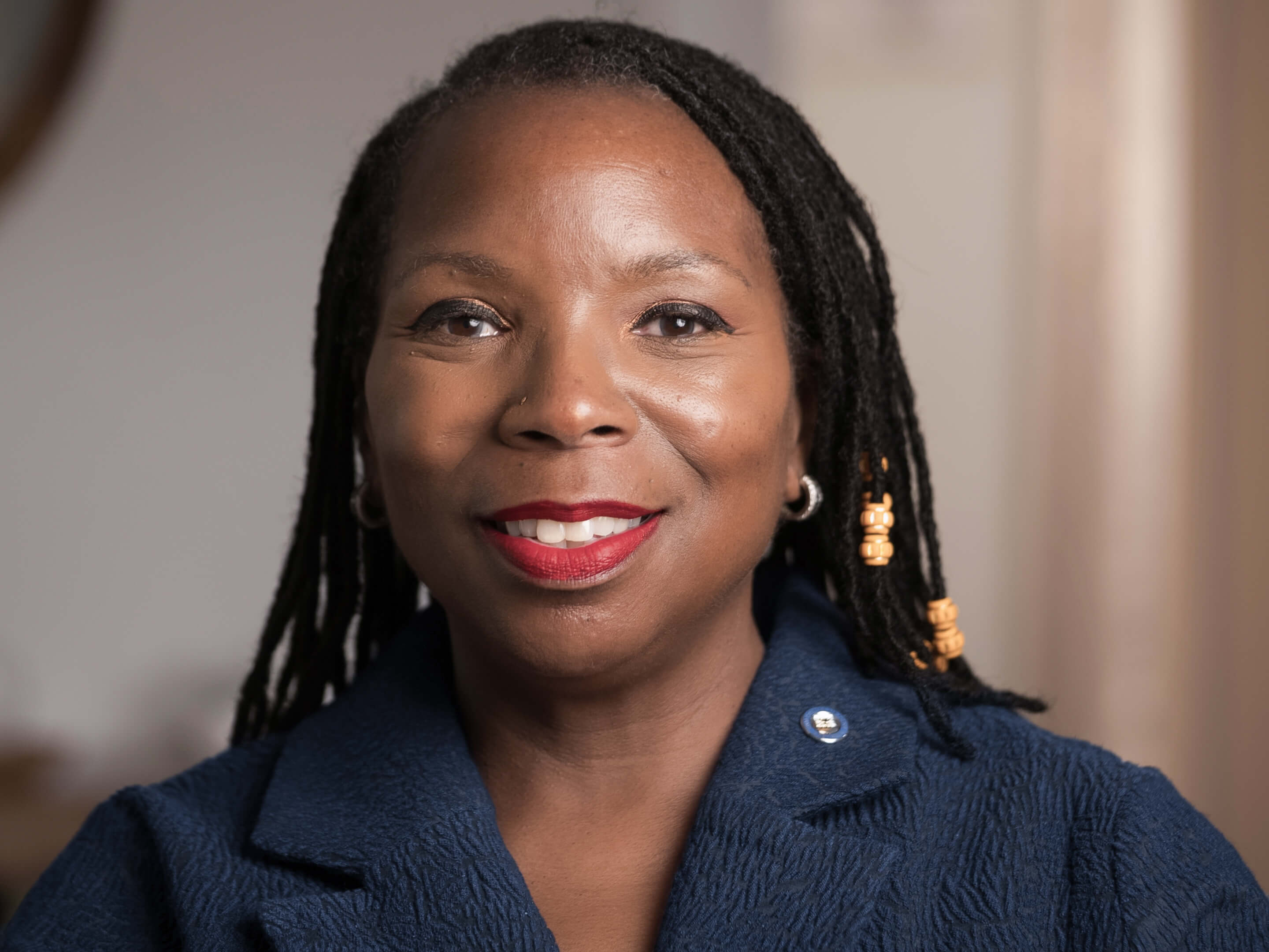
Want to learn more about Sleep and PTSD?
Explore Veteran and provider videos about sleep problems and PTSD.
Ready to take the next step?
Read more about CBT-I
Learn more about CBT-I and how it can help Veterans with PTSD get better sleep.
Read about PTSD therapies
Learn about different types of evidence-based therapy for PTSD.
Get the Insomnia Coach app
Discover Insomnia Coach, a free app created to help Veterans manage insomnia.
Check out the SleepEZ course
Explore SleepEZ, a free online course designed to help Veterans improve their sleep.